Aging at Home Family Caregiver Memory & Aging Patient Care Advocate Senior Health

Avoid The Four Common Medications that Can Slow Your Brain as an Older Adult

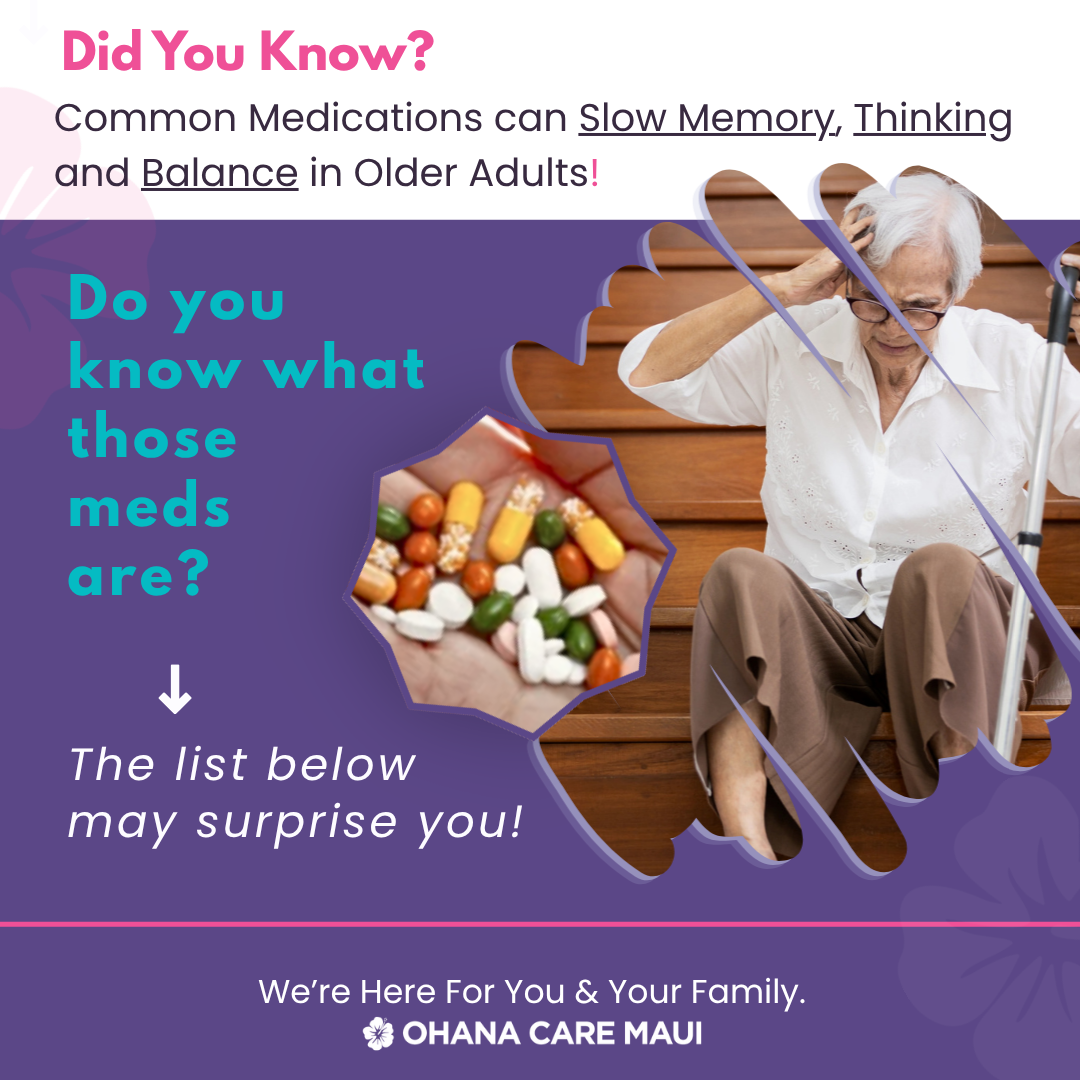
Avoid The Four Common Medications that Can Slow Your Brain as an Older Adult

When it comes to aging well, protecting our brain function is one of the most important things we can do.

Do You Know the Four Medication Types to Avoid because they can Slow Your Brain As an Older Adult ?!

➡️ This matters much more than you think if you’re an older adult or caring for one!

Avoid the four Common Medications that Can Slow Your Brain, Slow Thinking, Worsen Memory and Increase Fall Risk –  especially in older adults. And many of them are over-the-counter!


“… Identifying and reducing such medications is a mainstay of geriatric practice.  …we find that in some people, certain medications are causing memory loss – or other cognitive symptoms, to become worse.”

~Dr Leslie Kernisan, MD, Geriatrics

What Families & Older Adults Should Know


Avoid The Four Common Medications that Can Slow Your Brain as an Older Adult

The Four Most Common Types of Medications That Can Slow Brain Function plus One to Be Aware Of.**

Avoid These Four Common Medications that Can Slow Your Brain as an Older Adult

☑️ Benzodiazepines:

These medications are commonly used for sleep and anxiety. They can be effective, but they also slow brain activity, can be habit-forming, and have been linked to increased dementia risk.

Common examples:

    • Lorazepam, diazepam, temazepam, alprazolam (Ativan, Valium, Restoril, Xanax)

What to know:

    • Can help with short-term sleep or anxiety
    • Can affect memory, thinking and balance
    • Increases risk of falls
    • High potential for mis-use
    • The longer these are used, the harder they are to stop! Especially if dementia develops.
    • Never stop using them suddenly… they require a slow, supervised taper

Safer approaches to consider for:

    • Sleep: Behavioral therapies, exercise and consistent routines (takes time, but works)
    • Anxiety: Options like SSRIs (sertraline, citalopram) and therapy (CBT, mindfulness)
    • Dosing: Lowering the dose can improve thinking


☑️ Non-Benzodiazepine Sedatives    (“Z-Drugs”)

These meds slow the brain and affect balance and are usually used for sleep. Sometimes they are seen as a safer alternatives but they might not be!

Common examples:

    • Zolpidem, zaleplon, eszopiclone (Ambien, Sonata, Lunesta)

What to know:

    • Can impair thinking and coordination, even short-term
    • Increased falls due to poor balance
    • Some studies link them to dementia- though sleep issues themselves may also play a role.

Alternatives:

    • Focus on long-term sleep strategies without meds
    • Low-dose trazodone is sometimes used, but effects are only milder not necessarily safer


☑️ Anticholinergics *

This large group of medications includes many over-the-counter sleep aids and allergy meds.

*These drugs block an important brain chemical (acetylcholine), which is important for memory and thinking.*

Why this matters:

    • These drugs can work against the brain, especially in aging adults. They are linked to cognitive decline and dementia risk.

Common examples:

    • Antihistamines like diphenhydramine (Benadryl)
    • “PM” medications (Tylenol PM, Nyquil)
    • Bladder medications (oxybutynin, tolterodine)
    • Motion sickness/nausea meds (meclizine, scopolamine)
    • Muscle relaxants (cyclobenzaprine)
    • Older antidepressants (amitriptyline, nortriptyline)
    • Paroxetine (Paxil), an SSRI with strong anticholinergic effects

What to know:

    • Not all medications in these categories are equal – some are much stronger than others
    • Can cause – Memory problems, Poor balance and falls, Dry mouth, Dry eyes, Worsening constipation
    • A pharmacist or doctor can help review medications using an “anticholinergic burden” scale

Alternatives:

    • Non-drug options do exist (topical creams, stretching, lifestyle changes)
    • You may need to ask for them – they aren’t always offered upfront


☑️ Antipsychotics & Mood Stabilizers

These are often used in dementia care to manage agitation or behavioral symptoms, but they come with serious risks and should be used carefully.

Common examples:

    • Risperidone, quetiapine, olanzapine, aripiprazole (Risperdal, Seroquel, Zyprexa, Abilify), Haloperidol (Haldol), Valproate (Depakote)

What to know:

    • Strongly sedating and reduce brain function
    • In dementia, linked to a higher risk of death
    • Increased falls
    • Increased mortality
    • Often overused when other strategies haven’t been fully tried
    • Should be a last resort – Use the lowest possible dose

*Important Note: Stopping these medications can sometimes lead to a return of symptoms and requires strong support, engagement and activity.

Better Alternatives to Start with:

    • Begin by Identifying the Root Cause of behaviors (pain, fear, environment)
    • Try behavioral strategies and routine-based care first
    • Other medications may help and are often better tolerated (like citalopram, donepezil, memantine) 
 🌟 A Fifth Med Type to Be Aware Of 🌟
 ☑️ Opioid Pain Medications

These medications are used for moderate to severe pain and are sometimes necessary but they can still affect thinking and alertness.

Common examples:

    • Hydrocodone, oxycodone, morphine, codeine, methadone, hydromorphone, fentanyl, Tramadol (Ultram)

What to know:

    • May cause brain fog or slowed thinking, even with long-term use
    • Tramadol interacts with many medications and is often considered more complex
    • Potential for dependence
    • Risk of misuse (including by others in the household)

Important balance to consider:

    • Untreated pain can worsen confusion – especially with dementia.
    • In some cases, a low dose of pain medication can actually improve clarity and comfort.

Alternatives:

    • Depends on the type of pain
    • A whole-person approach using movement, therapy and lifestyle, can reduce reliance on medications

Final TakeawaysOhana Care Maui Perspective

You can’t control every aspect of aging but medication choices are one area where families and advocates can make a real impact for important change.

At Ohana Care Maui, we believe in thoughtful, balanced care.  Medications can play an important role, but it is crucial to understand that their impact on the brain is extremely important.

When possible, start with safer, non-drug approaches, use medications carefully and intentionally – and always ask yourself and check in with your doctor:

      • “Is this helping?
      • “Could it be affecting thinking, balance, alertness or quality of life?”

This awareness alone can change outcomes for seniors and their families.  -💜-

** Blog Source & Full Article:

➡️ This blog is based on and adapted from the work of Dr. Leslie Kernisan, MD, MPH from Better Health While Aging.

➡️ We strongly encourage you to read the full article for deeper guidance and clinical context. Link: Medications To Avoid If Worried About Memory, Dr. L. Kernisan

 * The information in this blog is for educational purposes only and cannot replace  a recommendation from your healthcare professional.*

🌺  Ohana Care Maui  🌺

Supporting Families With Education, Exceptional Care & Compassion for over 10 years.
Call Today for Customized, Free In-Home Care Consultation
“From respite care to bedbound care and everything in between — including Dementia & Alzheimer’s and Hospice.”
24/7, Island-wide Services / Hawaii Licensed Home Care Agency
808-344-1285
OhanaCareMaui.com